

Introduction
Ever wondered why some people seem to grow their wealth effortlessly while others struggle to save? The truth is, the difference often lies in how they invest.
As Europe’s financial markets evolve rapidly, knowing How to start investing in Europe 2025 has become one of the smartest moves for anyone looking to secure their financial future.
Whether you’re in Amsterdam, Berlin, Madrid, or any corner of the European Union, this comprehensive guide will walk you through everything you need to know to begin investing with confidence.
The European investment landscape offers unique opportunities and challenges, from navigating different tax systems across EU member states to understanding the regulatory framework that protects investors
In this guide, we’ll break down exactly where and how to invest — from stocks and ETFs to real estate and digital assets — so you can start building long-term wealth confidently, even if you’re a complete beginner.
Why Investing in Europe in 2025 Matters More Than Ever ?
Financial literacy is one of the most important subjects and one that can have the greatest impact on your life. Unfortunately, it is something rarely taught in schools.
The European market is entering a powerful new phase. With inflation cooling, interest rates stabilizing, and digital finance platforms expanding, over the past decade Europe’s economic landscape has evolved significantly thus making investing not just beneficial, but essential for long-term financial health, indeed investing in Europe in 2025(How to start investing in Europe 2025) offers diverse opportunities across industries and countries.
Why 2025 Is the Year to Invest in Europe(top 5 reasons pointing How to start investing in Europe 2025)
- Stronger regulations ensure more transparent markets.
- Sustainable investing (ESG) is booming with tax incentives.
- Low entry barriers through online brokers and mobile investing apps.
- Increasing returns in green energy, AI, and fintech sectors.
- Moreover, European investors now enjoy more access to global ETFs, fractional shares, and crypto assets — tools that were once reserved for professionals.
Where & How to start investing in Europe 2025
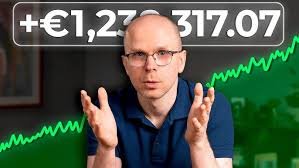
Before you invest a single euro, define why you’re investing; Is it for retirement, passive income, or financial independence?
Step-by-step approach:
- Define your goal. Example: €100,000 net worth in 10 years.
- Decide your risk tolerance. Conservative, balanced, or aggressive.
- Pick your investment horizon. Short-term (1–3 years) or long-term (10+ years).
- Create an emergency fund. At least 3–6 months of expenses before investing.
This roadmap helps align your investments with your life priorities — and keeps you disciplined when markets fluctuate.
Best Investment opportunities in Europe 2025
Let’s look at the most promising and accessible options for European investors this year.
Quick Overview Table
| Investment Type | Features | Pros | Cons | Expert Tips |
|---|---|---|---|---|
| ETFs | Diversified, low-cost index funds | Low fees, easy access | Market risk | Start with MSCI World ETF for global exposure |
| Stocks | Direct ownership in companies | High potential returns | Requires research | Focus on blue-chip dividend stocks |
| Real Estate/REITs | Property-based income | Inflation hedge | Illiquidity risk | Try REIT ETFs for diversification |
| Green Investments | Eco-friendly and ESG-focused | Long-term stability | Lower short-term gains | Check EU Green Deal projects |
| Crypto | Blockchain-based assets | High upside | Volatility | Invest less than 10% of your portfolio |
1. Exchange-Traded Funds (ETFs)
ETFs remain the go-to choice for beginners due to low fees and diversification. You can invest in European indices like the Euro Stoxx 50 or global funds like MSCI World.
Pros:
- Diversified exposure
One ETF can give investors exposure to many stocks from a particular industry, investment category, country, or a broad market index. ETFs can also provide exposure to asset classes other than equities, including bonds, currencies, and commodities.
- Low costs
ETFs, which are passively managed, tend to have significantly lower expense ratios than actively managed mutual funds. What drives up a mutual fund’s expense ratio? Costs such as a management fee, fund accounting and trading expenses, and load fees related to their sale and distribution
- Trades Like a Stock
An investor requesting a mutual fund redemption during the trading day can’t really be sure of the redemption price. That will depend on where the fund’s net asset value lands when it’s calculated at the end of the day. In contrast with mutual funds, ETFs:
- May serve as underlying securities for option contracts
- Trade at a market-based price updated throughout the trading day
- Can be purchased on margin and sold short
The most popular ETFs trade with more liquidity than most stocks. This means that there are always plenty of buyers and sellers and narrow bid-ask spreads.
- Immediately Reinvested Dividends
The dividends of the companies in an open-ended ETF are reinvested immediately, whereas the exact timing for reinvestment can vary for index mutual funds. (One exception: Dividends in unit investment trust ETFs are not automatically reinvested, thus creating a dividend drag.)3
- Limited Capital Gains Tax
ETFs can be more tax-efficient than mutual funds. As passively managed portfolios, ETFs (and index mutual funds) tend to realize fewer capital gains than actively managed mutual funds.
Mutual funds, on the other hand, are required to distribute capital gains to shareholders if the manager sells securities for a profit. This distribution amount is made according to the proportion of the holders’ investment and is taxable.
If other mutual fund holders sell before the date of record, the remaining holders divide up the capital gain and thus pay taxes even if the fund overall went down in value.4
- Lower Discount or Premium in Price
There is a lesser chance of ETF share prices being higher or lower than those of underlying shares. ETFs trade throughout the day at a price close to the price of the underlying securities, so if the price is significantly higher or lower than the net asset value, arbitrage will bring the price back in line.
Unlike closed-end index funds, ETFs trade based on supply and demand, and market makers will capture price discrepancy profits.5
U.S. Securities and Exchanges Commission. “Mutual Funds and ETFs.”
- Fast Fact
One minor risk of ETFs (though not unique to them) is shutdown risk, or the risk that an ETF will close. While shareholders would get their money back, there can be annoyances other than having to reinvest your money.
These can include capital gains taxes that investors are unprepared for and potentially unexpected fees.
Cons:
Market volatility
In the dynamic world of investing, market volatility serves as both a signal and a stress test. It reflects the degree of variation in asset prices over time and captures the emotional pulse of investors navigating uncertainty. Periods of heightened volatility often emerge from shifts in macroeconomic indicators, geopolitical tensions, or sudden market shocks. While such fluctuations can unsettle even experienced investors, they are also the crucible where new opportunities are forged. Understanding volatility is not just about weathering turbulence—it’s about interpreting the rhythm of market behavior and aligning strategies with changing tides.
Returns depend on global trends
The interconnectedness of global markets means that returns increasingly depend on international trends. A slowdown in China’s manufacturing sector, a change in U.S. interest rates, or a breakthrough in renewable energy technologies can send ripples across equity and bond markets worldwide. Investors no longer operate in isolated economies; they navigate a global ecosystem where currency movements, trade policies, and emerging market growth collectively influence performance. Recognizing these macro patterns allows investors to anticipate shifts rather than merely react to them, positioning portfolios to benefit from structural global transformations.
Strategic Adaptation in an Uncertain World
Professional investors understand that volatility and global trends are not adversaries but essential elements of modern finance. The key lies in strategic adaptation—diversifying across regions and sectors, using hedging instruments, and staying informed through continuous macroeconomic analysis. By balancing short-term defensive moves with long-term conviction, investors can transform volatility from a source of anxiety into a source of alpha. Ultimately, navigating global trends is less about predicting every move and more about building resilient strategies that thrive amid constant change.
2. Stocks and Dividends
European stock markets (Germany’s DAX, France’s CAC 40, or London’s FTSE 100) offer solid dividend-paying companies.
To start:
Open an account with a regulated broker (like., DEGIRO, Trade Republic, or Interactive Brokers).
Research companies with strong fundamentals and dividend history.
Reinvest dividends for compounding growth.
3. Real Estate & REITs

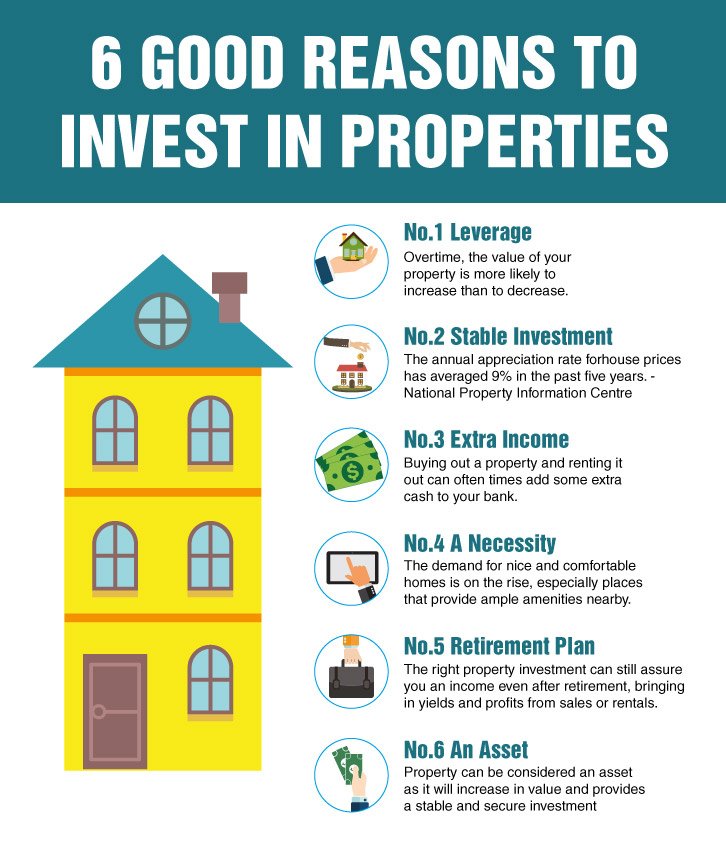
You don’t need to buy property physically. In 2025, Real Estate Investment Trusts (REITs) allow investors to access property income with minimal effort.
Why it’s great opportunity
- Strong rental demand in cities like Lisbon, Berlin, and Warsaw.
- Inflation hedge and stable cash flow.
4. Sustainable & Green Investments
Green bonds, solar funds, and eco-ETFs are rising fast. The EU Green Deal supports eco-projects, making sustainable investing in Europe 2025 both ethical and profitable.
5. Crypto & Digital Assets
For those seeking higher risk and innovation, regulated exchanges like Bitpanda or eToro Europe offer access to crypto assets. Always diversify and never invest what you can’t afford to lose.
| Investment Type | Features | Pros | Cons | Expert Tips |
|---|---|---|---|---|
| ETFs | Diversified, low-cost index funds | Low fees, easy access | Market risk | Start with MSCI World ETF for global exposure |
| Stocks | Direct ownership in companies | High potential returns | Requires research | Focus on blue-chip dividend stocks |
| Real Estate/REITs | Property-based income | Inflation hedge | Illiquidity risk | Try REIT ETFs for diversification |
| Green Investments | Eco-friendly and ESG-focused | Long-term stability | Lower short-term gains | Check EU Green Deal projects |
| Crypto | Blockchain-based assets | High upside | Volatility | Invest less than 10% of your portfolio |
How to Build Your First Portfolio
Now that you understand the options, let’s create a beginner-friendly portfolio for 2025.
- Start small — even €50/month works.
- Diversify — combine ETFs, stocks, and one alternative (REIT or crypto).
- Automate — set up recurring monthly investments.
- Rebalance — review your portfolio every 6–12 months.
- Stay consistent — long-term investing beats market timing.
Top Tricks to Succeed in European Investing & Exploring How to start investing in Europe 2025
- Use Euro-based brokers to avoid currency conversion fees.
- Track your progress using portfolio apps like JustETF or Portfolio Performance.
- Educate yourself through EU financial literacy portals or YouTube finance experts.
- Join local investor communities for tips and insights.
- Stay updated with economic trends and ECB policy changes.
Common Mistakes to Avoid
- Investing without an emergency fund.
- Panic selling during market dips.
- Ignoring diversification.
- Overexposure to crypto or risky assets.
- Following “get rich quick” advice.

Conclusion
Starting your investing journey in Europe in 2025 doesn’t require a finance degree — just the right mindset and consistent habits. Begin small, stay disciplined, and focus on long-term growth over short-term excitement.
By following the expert-driven strategies above, you can confidently navigate the European market and build a portfolio that grows your wealth steadily over time.
Ready to take the next step?
Read our guide on Best European ETFs for Beginners in 2025 or explore Top Robo-Advisors for Passive Investing.